
Standing Trainer
Stand Strong. Build Confidence. Move Towards Independence.
Standing is one of the most important milestones in the rehabilitation journey. For patients recovering from neurological conditions, spinal cord injuries, prolonged bed rest, or severe muscle weakness, regaining the ability to stand is essential before progressing to walking and other functional activities.
At MIOT Rehab Centre Mauritius, our Standing Trainer provides a safe and supportive environment to help patients gradually regain standing ability, improve balance, strengthen muscles, and restore confidence.
Our experienced multidisciplinary rehabilitation team develops personalised therapy programmes that enable patients to achieve greater mobility and independence through structured standing rehabilitation.
What is a Standing Trainer?
A Standing Trainer is a specialised rehabilitation device designed to safely support patients in an upright standing position while promoting proper body alignment, weight-bearing, and postural control.
The equipment provides adjustable support for the knees, hips, trunk, and feet, allowing patients who cannot stand independently to experience the benefits of standing safely and comfortably. As strength and balance improve, the level of support is gradually reduced.
Standing Trainer therapy is widely used in neurological, orthopaedic, and geriatric rehabilitation to prepare patients for gait training and functional mobility.
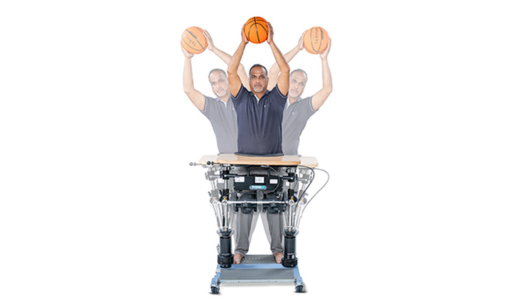
Why is Standing Important During Rehabilitation?
Prolonged sitting or bed rest can lead to several complications, including:





Early supported standing helps minimise these complications while promoting faster recovery and improved functional outcomes.
Benefits of Standing Trainer Therapy
Promotes Safe Weight-Bearing
Allows gradual weight-bearing through the legs, supporting stronger bones, healthier joints, and improved muscle activation.
Improves Postural Control
Encourages correct body alignment while strengthening the muscles needed for standing and walking.
Strengthens Lower Limb Muscles
Activates the muscles of the hips, knees, ankles, and core to improve stability and mobility.
Enhances Blood Circulation
Improves circulation throughout the body, reducing the risk of complications associated with prolonged immobility.
Improves Balance
Develops balance reactions and stability, preparing patients for walking and everyday activities.
Prevents Joint Stiffness
Maintains joint flexibility and reduces the risk of contractures caused by prolonged inactivity.
Boosts Confidence
Helps patients overcome the fear of standing and builds confidence before progressing to gait training.
Supports Functional Recovery
Provides a strong foundation for transfers, walking, and independent daily activities.
Who Can Benefit from Standing Trainer Therapy?
Standing Trainer Therapy may benefit individuals recovering from:
Stroke
Spinal Cord Injury
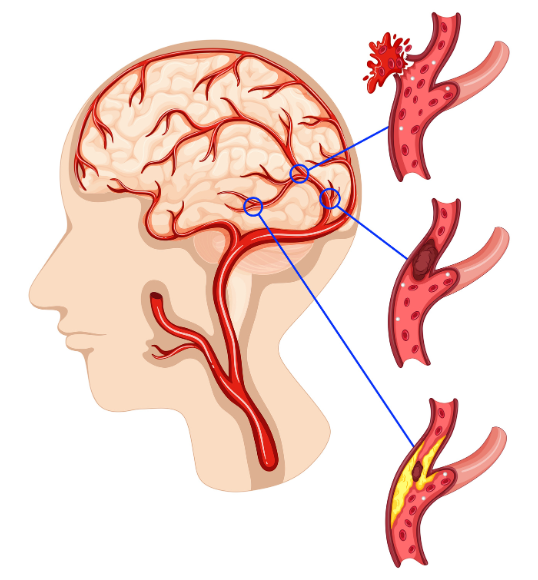
Traumatic Brain Injury
Parkinson's Disease
Multiple Sclerosis
Cerebral Palsy
Neurological Disorders
Post-ICU Recovery
Severe Muscle Weakness

Orthopaedic Surgery
Prolonged Bed Rest

Balance Disorders

Geriatric Rehabilitation
Mobility Limitations
How Does the Therapy Work?
Every rehabilitation programme begins with a comprehensive assessment by our rehabilitation specialists.
A typical Standing Trainer Therapy session includes:
Step 1 – Patient Assessment
Evaluation of muscle strength, joint mobility, balance, neurological function, and rehabilitation goals.
Step 2 – Safe Positioning
The patient is securely positioned using adjustable supports to ensure proper posture and comfort throughout the session.
Step 3 – Assisted Standing
The Standing Trainer gradually helps the patient achieve and maintain an upright standing position while promoting weight-bearing.
Step 4 – Continuous Monitoring
Our therapists monitor posture, muscle activity, blood pressure, comfort, and standing tolerance throughout the therapy session.
Step 5 – Functional Progression
As recovery improves, standing exercises are progressed to include balance training, weight shifting, reaching activities, and preparation for walking.
Conditions Commonly Treated
Our rehabilitation specialists commonly incorporate Standing Trainer Therapy into treatment programmes for: