
Virtual Reality (VR) Therapy
Engaging Rehabilitation. Inspiring Recovery.
Rehabilitation is most effective when patients are motivated to participate actively in therapy. For individuals recovering from neurological conditions, injuries, or mobility challenges, Virtual Reality (VR) Therapy transforms conventional rehabilitation into an engaging and interactive experience that promotes faster functional recovery.
At MIOT Rehab Centre Mauritius, our Virtual Reality (VR) Therapy combines immersive technology with evidence-based rehabilitation techniques to improve movement, balance, coordination, cognitive function, and independence in a fun, motivating, and safe environment.
Our experienced multidisciplinary rehabilitation team develops personalised VR-based therapy programmes tailored to each patient's rehabilitation goals and progress.
What is Virtual Reality (VR) Therapy?
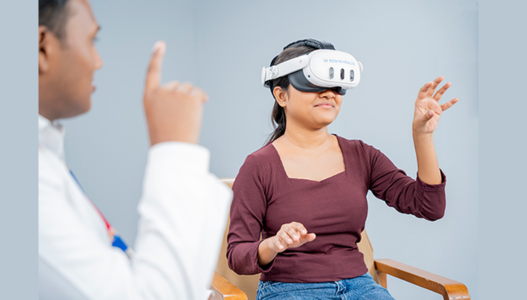
Virtual Reality (VR) Therapy is an advanced rehabilitation technique that uses immersive computer-generated environments and interactive exercises to help patients perform therapeutic movements in a realistic and engaging setting.
Using specialised VR equipment and motion-tracking technology, patients participate in a variety of activities designed to improve physical, cognitive, and sensory functions. Real-time visual and auditory feedback encourages active participation while allowing therapists to monitor progress and adjust the level of difficulty according to each patient's abilities.
VR Therapy makes rehabilitation more enjoyable while supporting measurable improvements in functional recovery.
Why is Virtual Reality Important During Rehabilitation?
Traditional rehabilitation exercises can sometimes become repetitive, leading to reduced motivation and participation. Limited engagement may slow recovery and affect long-term outcomes. Virtual Reality Therapy helps overcome these challenges by:




VR Therapy makes rehabilitation more enjoyable while supporting measurable improvements in functional recovery.
Benefits of Virtual Reality (VR) Therapy
Improves Balance and Postural Control
Interactive balance exercises help patients improve stability and reduce the risk of falls.
Enhances Motor Function
Repetitive task-specific movements improve coordination, strength, and overall movement quality.
Promotes Neuroplasticity
Stimulates the brain's ability to develop new neural pathways, supporting recovery after neurological injury.
Improves Upper and Lower Limb Function
Interactive exercises enhance movement, coordination, and control of both the arms and legs.
Enhances Cognitive Skills
Improves attention, memory, problem-solving, reaction time, and executive functioning through engaging cognitive tasks.
Increases Motivation and Participation
Gamified rehabilitation keeps patients motivated and encourages consistent participation throughout recovery.
Provides Real-Time Feedback
Immediate visual and performance feedback helps patients correct movements and track progress effectively.
Supports Functional Independence
Improves the skills needed for walking, reaching, balance, and everyday activities.
Who Can Benefit from Virtual Reality (VR) Therapy?
Virtual Reality Therapy may benefit individuals recovering from:
Stroke
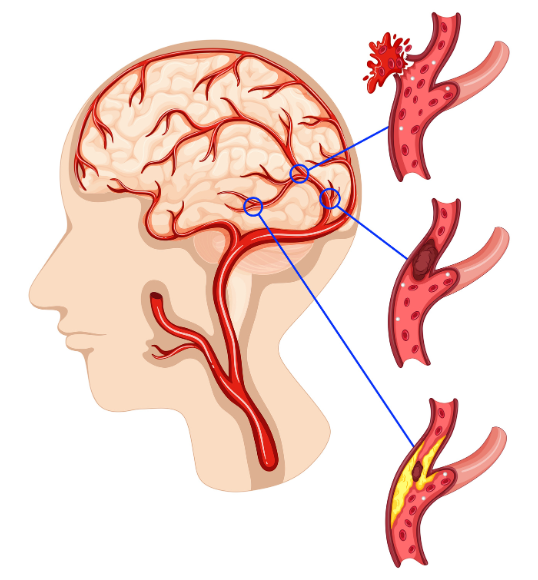
Traumatic Brain Injury

Spinal Cord Injury
Parkinson's Disease
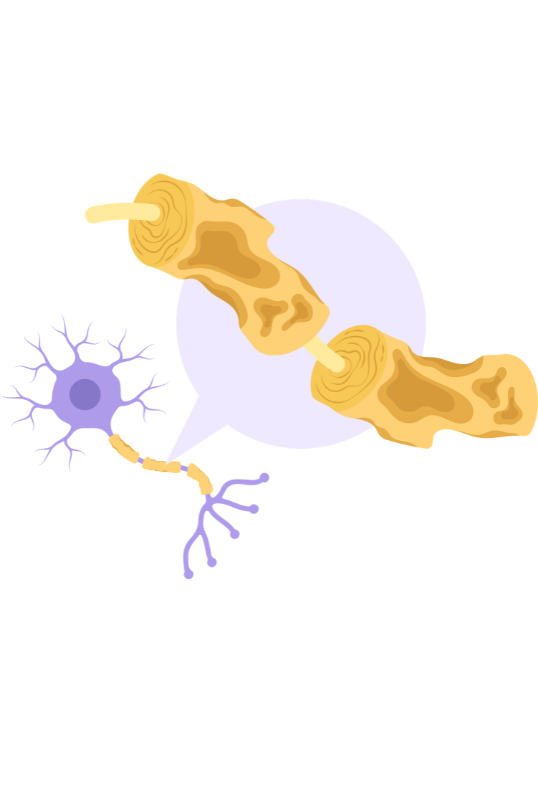
Multiple Sclerosis
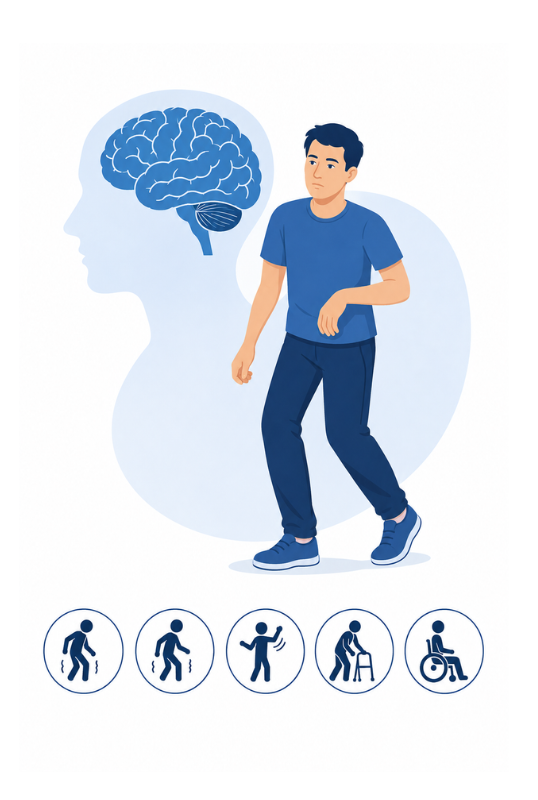
Cerebral Palsy

Balance Disorders

Vestibular Disorders
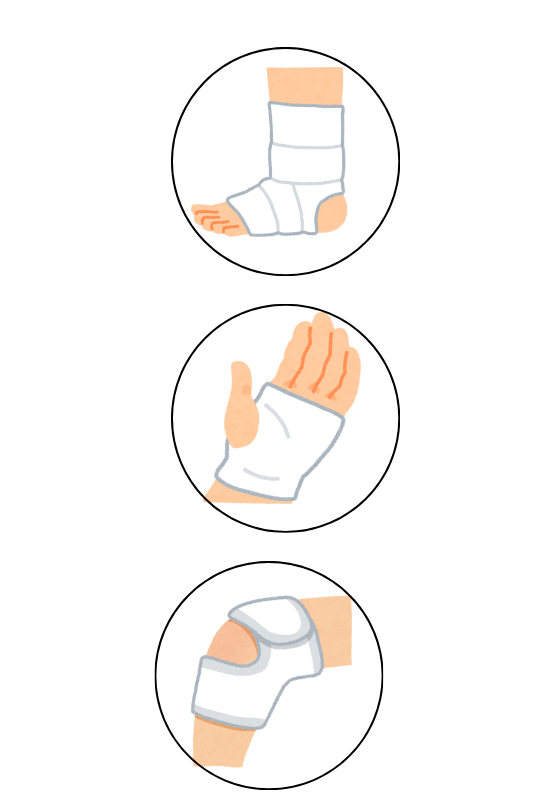
Orthopaedic Injuries
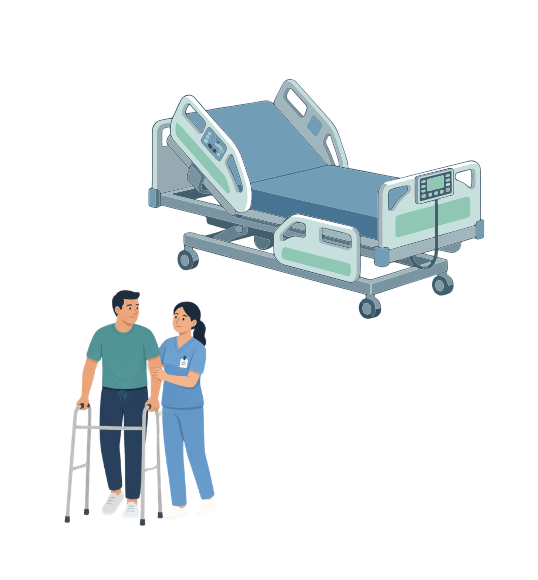
Post-Surgical Recovery
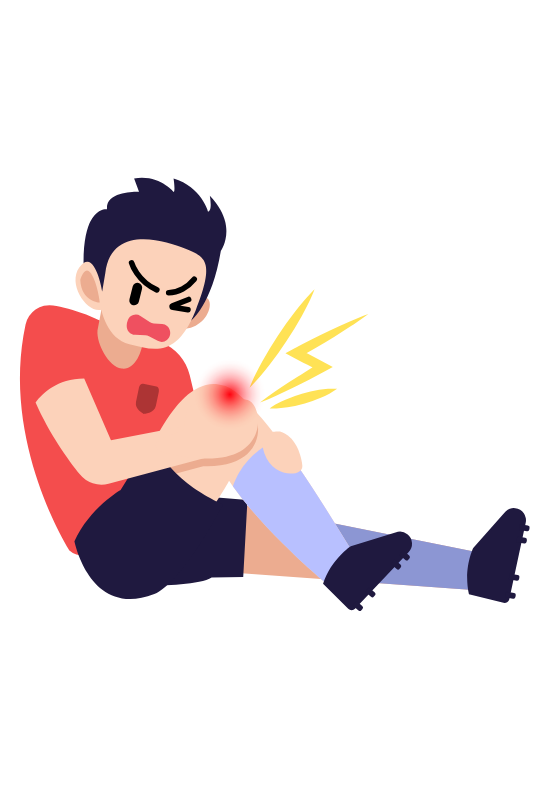
Sports Injuries

Geriatric Rehabilitation
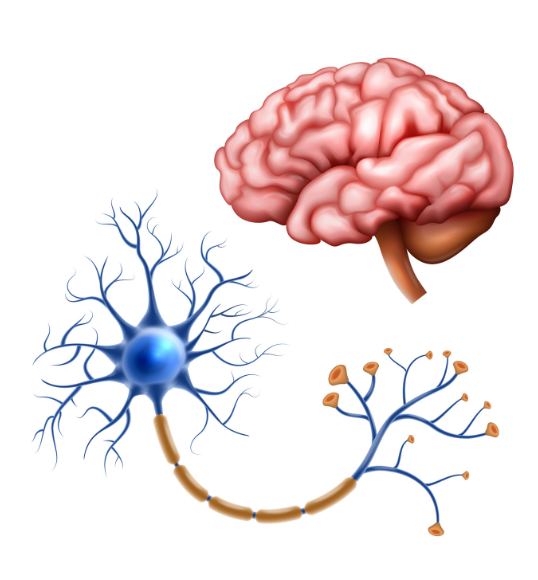
Neurological Disorders
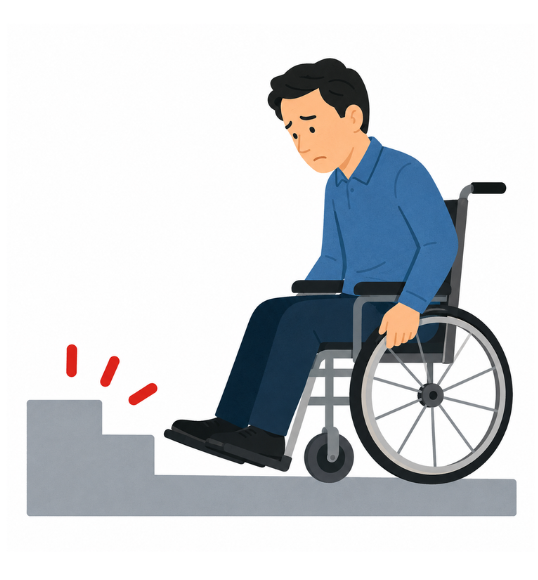
Mobility Limitations
How Does the Therapy Work?
Every rehabilitation programme begins with a comprehensive assessment by our rehabilitation specialists.
A typical Virtual Reality Therapy session includes:
Step 1 – Initial Assessment
Evaluation of physical function, balance, coordination, cognitive abilities, and rehabilitation goals.
Step 2 – Personalised VR Programme
Our therapists select virtual environments and rehabilitation activities based on the patient's condition, functional abilities, and recovery objectives.
Step 3 – Interactive Therapy Session
Patients perform guided exercises using VR technology that targets movement, balance, coordination, upper limb function, gait, and cognitive skills.
Step 4 – Real-Time Monitoring
Therapists continuously monitor movement quality, performance, endurance, and patient engagement while adjusting the difficulty level as needed.
Step 5 – Progressive Functional Training
As recovery improves, therapy activities become more challenging to further enhance strength, mobility, coordination, and independence.
Conditions Commonly Treated
Our rehabilitation specialists commonly incorporate Virtual Reality Therapy into treatment programmes for: