
Leg & Upper Body Exerciser
Strengthen. Improve Endurance. Restore Everyday Movement.
Recovering from an injury, neurological condition, surgery, or prolonged illness often requires rebuilding both upper and lower body strength. Safe, repetitive exercise plays a vital role in improving mobility, coordination, circulation, and overall physical function.
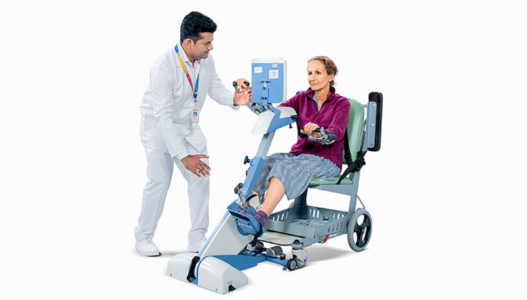
At MIOT Rehab Centre Mauritius, our Leg & Upper Body Exerciser provides a low-impact, therapist-guided exercise programme designed to strengthen the arms and legs while improving endurance and coordination. Suitable for patients at different stages of recovery, this advanced rehabilitation equipment helps restore movement safely and effectively.
Our experienced multidisciplinary rehabilitation team creates personalised exercise programmes to help every patient regain strength, confidence, and independence.
What is a Leg & Upper Body Exerciser?
A Leg & Upper Body Exerciser is a specialised rehabilitation device that enables patients to perform controlled cycling movements using both the arms and legs. The equipment can be used in passive, assisted, or active modes depending on the patient's strength and mobility.
The repetitive movements help improve muscle function, joint mobility, blood circulation, and cardiovascular fitness while reducing physical strain. It is widely used in neurological, orthopaedic, cardiac, and geriatric rehabilitation.
Why is Early Exercise Important During Rehabilitation?
Limited movement after illness or injury can quickly lead to several complications including:



Early, supervised exercise helps restore strength and mobility while supporting faster recovery.
Benefits of Leg & Upper Body Exerciser
Improves Muscle Strength
Strengthens the muscles of the arms, shoulders, hips, and legs through repetitive, controlled movements.
Enhances Joint Mobility
Promotes flexibility and maintains healthy movement in the upper and lower limb joints.
Improves Blood Circulation
Encourages healthy blood flow, reducing the risk of swelling and complications associated with prolonged inactivity.
Builds Cardiovascular Endurance
Improves heart and lung fitness through low-impact aerobic exercise.
Enhances Coordination
Encourages coordinated movement between the upper and lower limbs, improving overall motor control.
Reduces Muscle Stiffness
Helps maintain joint flexibility and reduces stiffness caused by prolonged immobility.
Promotes Functional Recovery
Supports everyday activities such as walking, reaching, climbing stairs, and transferring safely.
Safe, Low-Impact Exercise
Provides effective rehabilitation with minimal stress on joints, making it suitable for patients of all ages.
Who Can Benefit from Leg & Upper Body Exerciser?
Leg & Upper Body Exerciser therapy may benefit individuals recovering from:
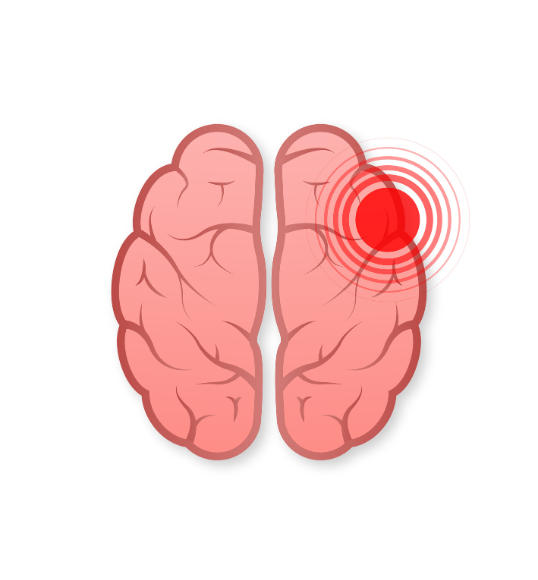
Stroke
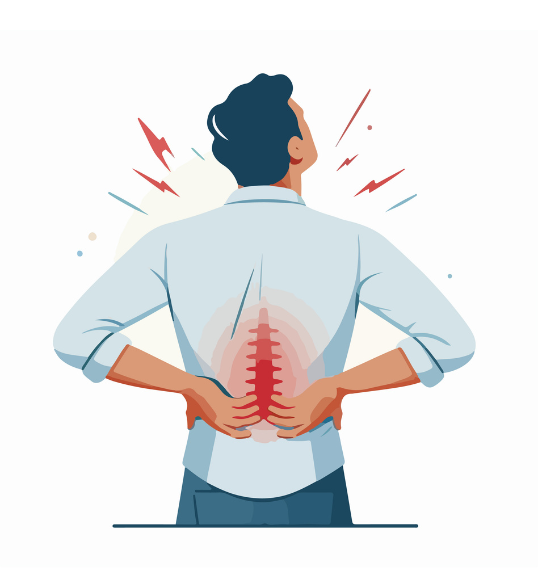
Spinal Cord Injury
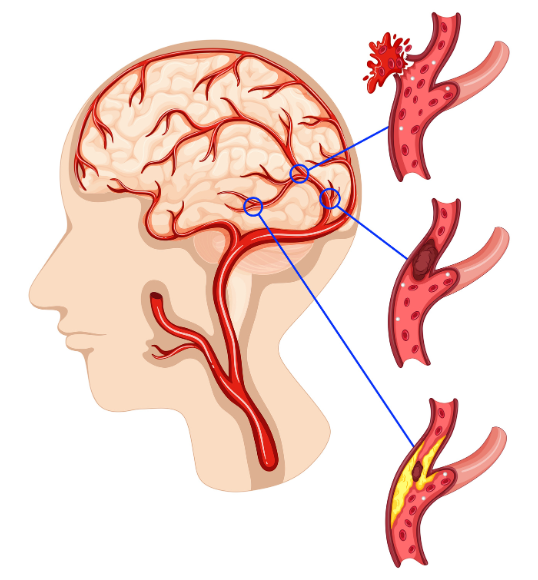
Traumatic Brain Injury
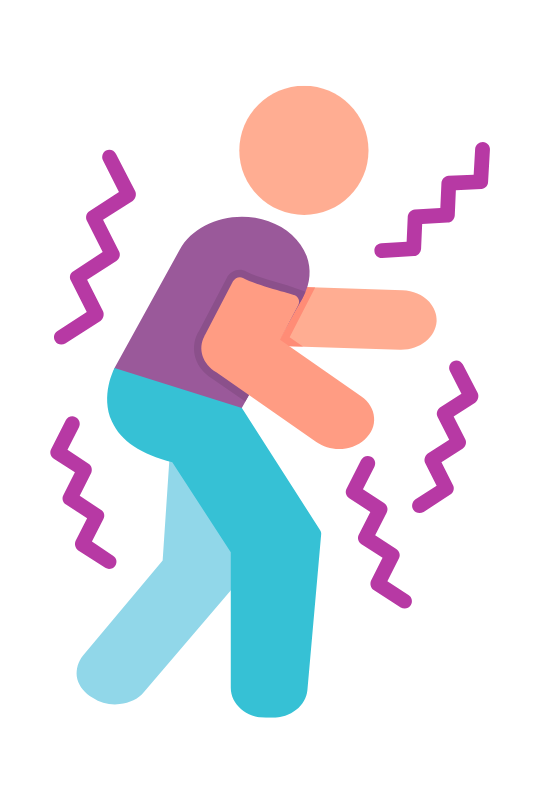
Parkinson's Disease
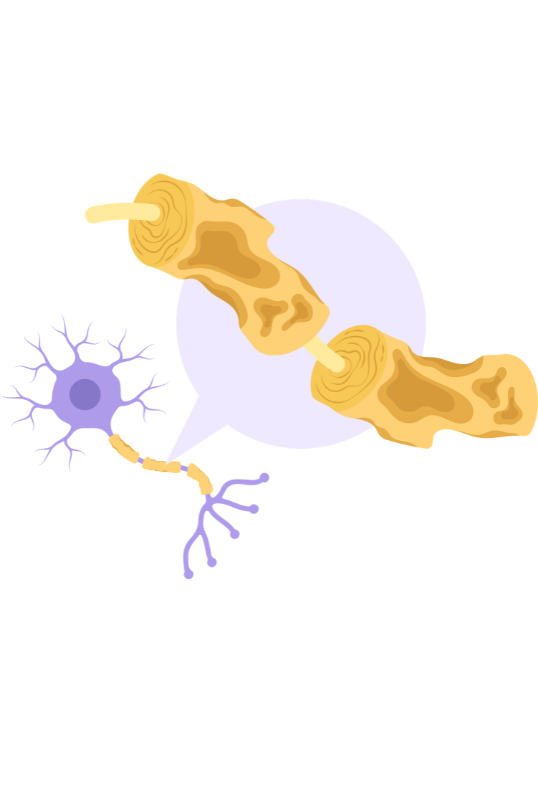
Multiple Sclerosis
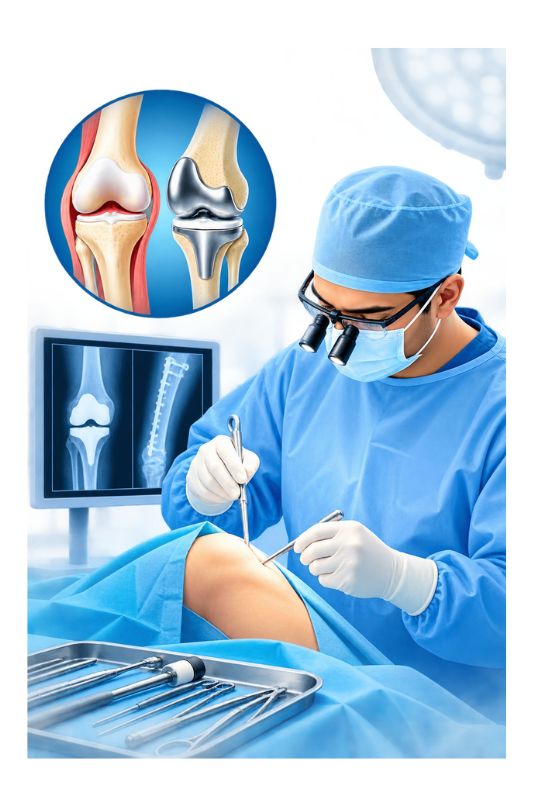
Orthopaedic Surgery
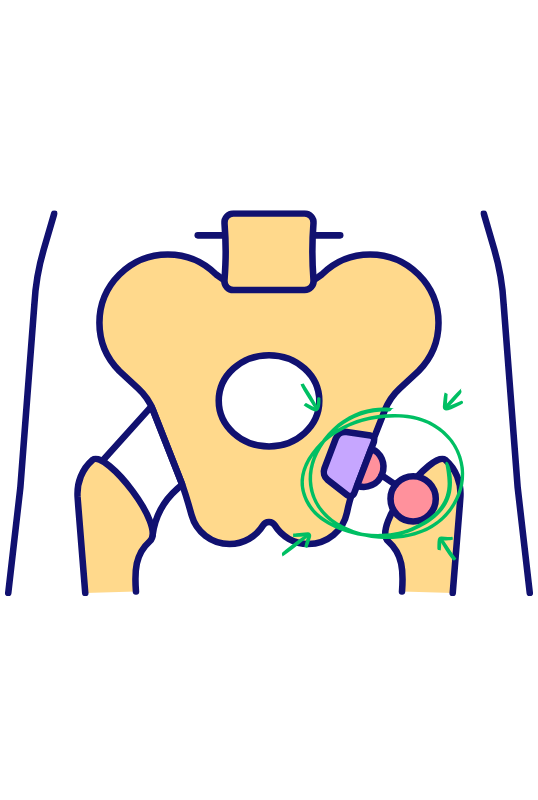
Hip Replacement
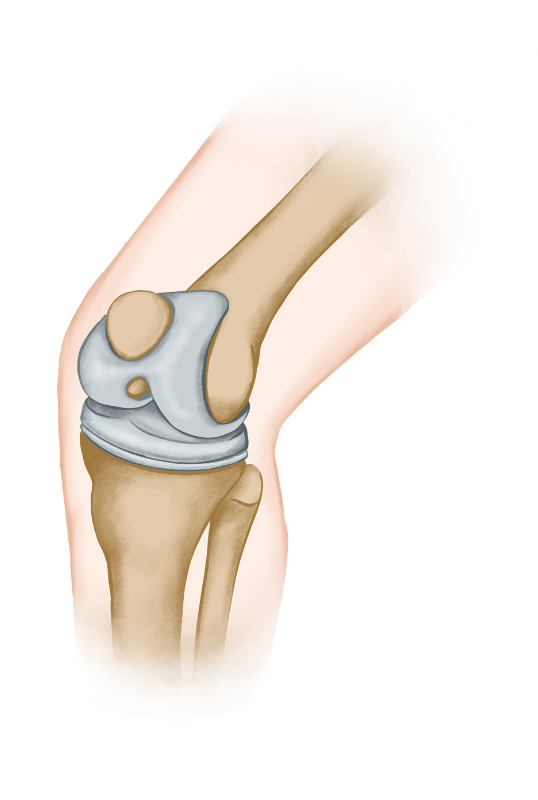
Knee Replacement
Fractures
Sports Injuries
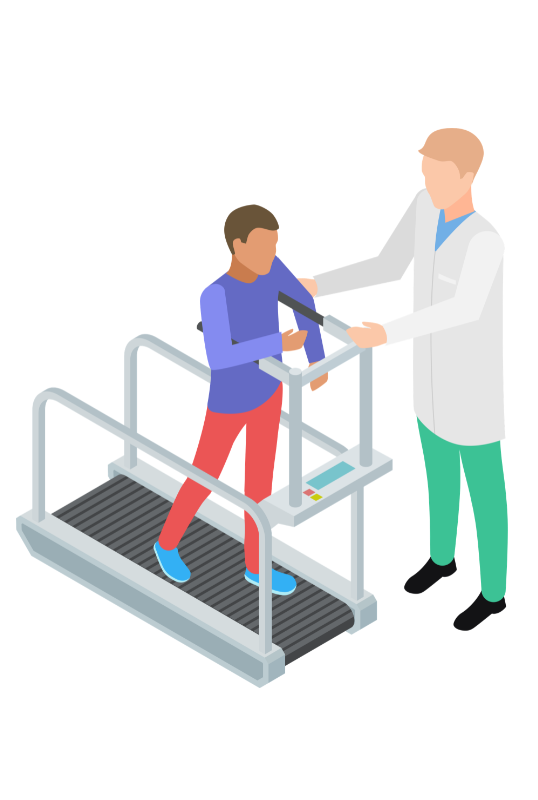
Cardiac Rehabilitation
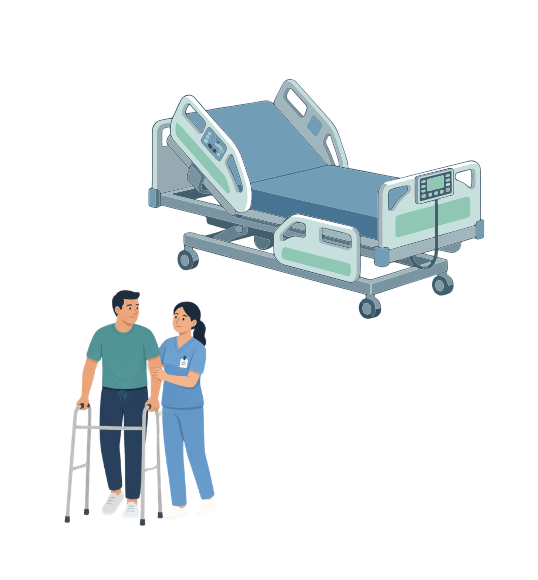
Post-ICU Recovery
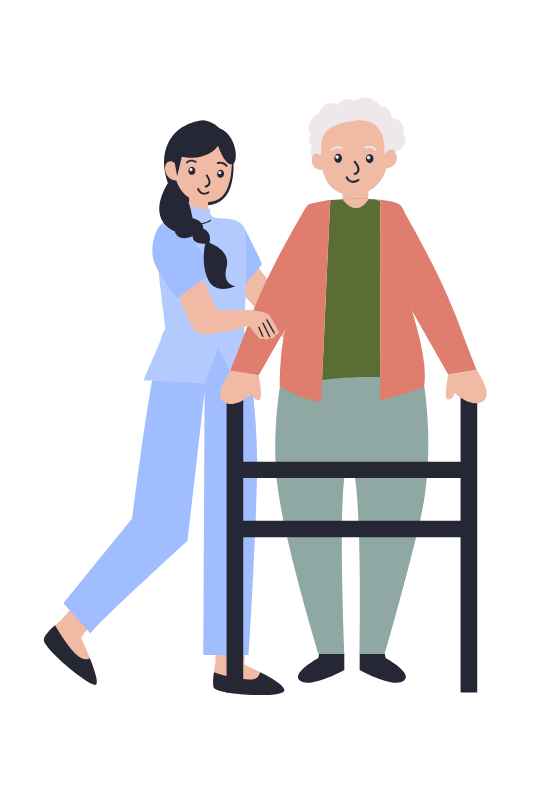
Geriatric Rehabilitation
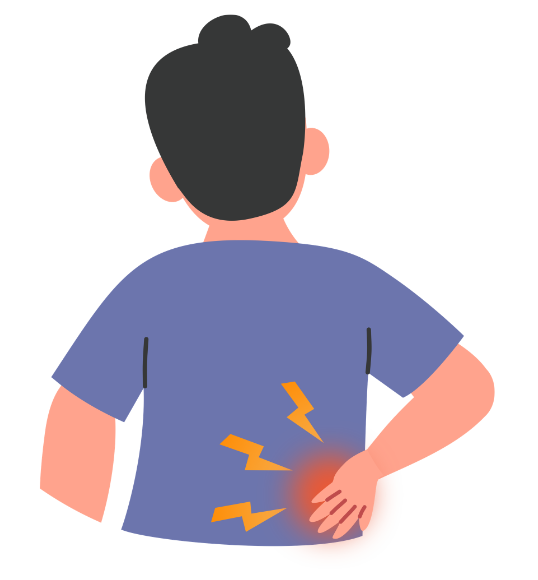
Muscle Weakness
Mobility Limitations
How Does the Therapy Work?
Every rehabilitation programme begins with a comprehensive assessment by our rehabilitation specialists.
A typical Leg & Upper Body Exerciser session includes:
Step 1 – Patient Assessment
Evaluation of muscle strength, joint mobility, endurance, coordination, cardiovascular fitness, and rehabilitation goals.
Step 2 – Equipment Setup
The resistance level, seat position, and exercise mode are adjusted according to the patient's physical ability and comfort.
Step 3 – Guided Exercise Session
Patients perform rhythmic cycling movements using the arms, legs, or both simultaneously under therapist supervision.
Step 4 – Continuous Monitoring
Our therapists monitor posture, exercise tolerance, heart rate, fatigue levels, and movement quality throughout the session.
Step 5 – Progressive Rehabilitation
As recovery progresses, resistance, duration, and exercise intensity are gradually increased to maximise functional improvement.
Conditions Commonly Treated
Our rehabilitation specialists commonly incorporate the Leg & Upper Body Exerciser into treatment programmes for: