
Nerve Conduction Study (NCS)
Accurate Nerve Assessment. Early Diagnosis. Better Treatment Outcomes.
Healthy nerves are essential for normal movement, sensation, and muscle function. When nerves are damaged or compressed, they can cause symptoms such as numbness, tingling, pain, weakness, or loss of coordination. Identifying the exact cause of these symptoms is the first step towards effective treatment.
At MIOT Rehab Centre Mauritius, our Nerve Conduction Study (NCS) is a specialised diagnostic test that evaluates how well electrical signals travel through your nerves. This safe, accurate, and non-invasive investigation helps our specialists diagnose a wide range of nerve and neuromuscular disorders, enabling timely treatment and personalised rehabilitation.
Our experienced neurologists and rehabilitation specialists use NCS to guide diagnosis, treatment planning, and monitor recovery.
What is a Nerve Conduction Study (NCS)?
A Nerve Conduction Study (NCS) is a diagnostic test that measures the speed and strength of electrical impulses travelling through your peripheral nerves.
During the procedure, small electrodes are placed on the skin over specific nerves and muscles. A mild electrical stimulus is applied to assess how quickly and effectively the nerves transmit signals. The results help identify nerve damage, compression, or dysfunction.
NCS is often performed alongside Electromyography (EMG) for a more comprehensive evaluation of nerve and muscle health.
Why is a Nerve Conduction Study Important?
Symptoms such as numbness, weakness, burning sensations, or muscle wasting may indicate an underlying nerve disorder. Early diagnosis is essential to prevent further nerve damage and begin appropriate treatment. A Nerve Conduction Study helps:
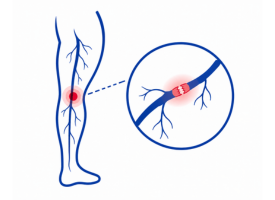
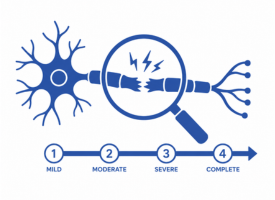
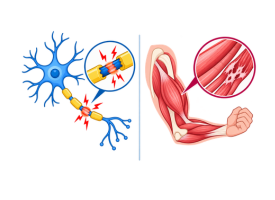
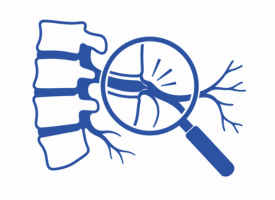
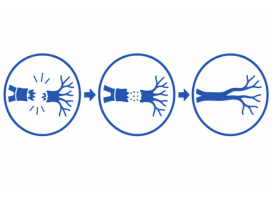

Accurate diagnosis allows earlier intervention and better long-term recovery.
Benefits of Nerve Conduction Study (NCS)
Accurate Diagnosis
Provides objective information about nerve function, helping specialists identify the exact cause of symptoms.
Early Detection
Detects nerve abnormalities before significant muscle damage or disability develops.
Non-Invasive Procedure
The test is performed using surface electrodes without the need for surgery or incisions.
Guides Treatment Planning
Helps clinicians determine the most appropriate medical, surgical, or rehabilitation approach.
Monitors Recovery
Evaluates nerve healing and tracks improvement following treatment or surgery.
Supports Rehabilitation
Provides valuable information for designing personalised physiotherapy and rehabilitation programmes.
Quick and Safe
The procedure is generally well tolerated and completed within a short period.
Improves Patient Outcomes
Accurate diagnosis allows earlier intervention and better long-term recovery.
Who May Need a Nerve Conduction Study?
A Nerve Conduction Study may be recommended for individuals experiencing:
Numbness or Tingling in the Hands or Feet
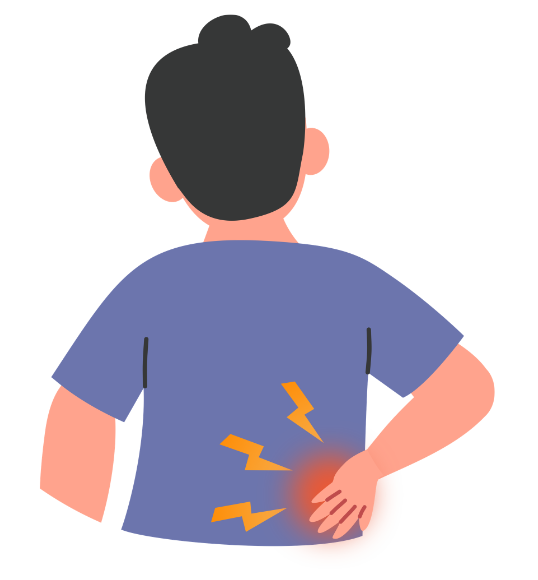
Muscle Weakness
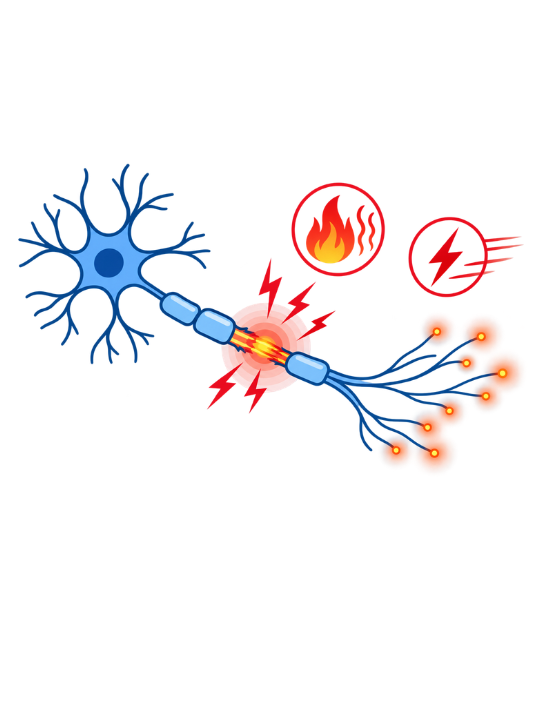
Burning or Shooting Nerve Pain

Loss of Sensation
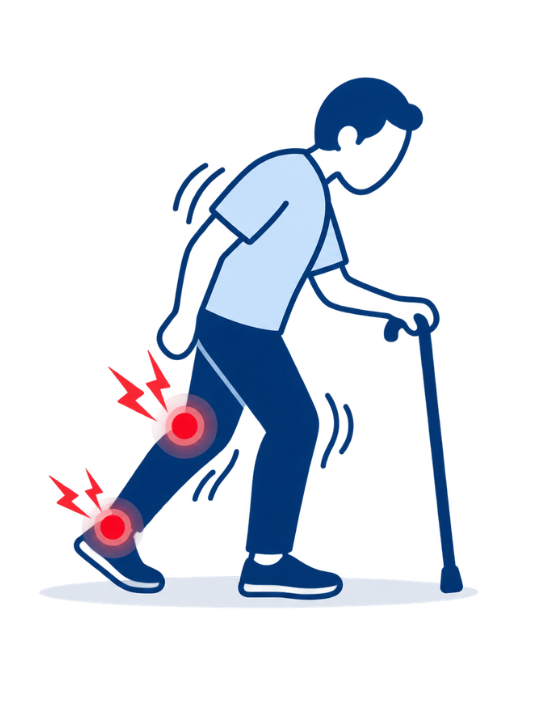
Difficulty Walking
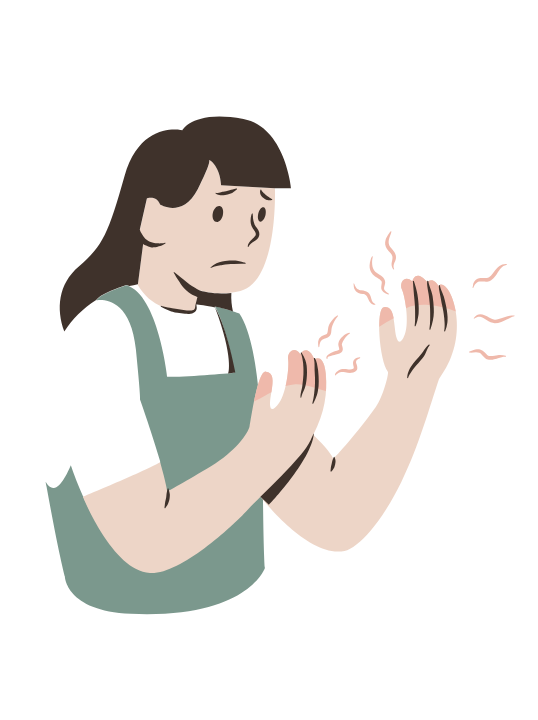
Hand Weakness
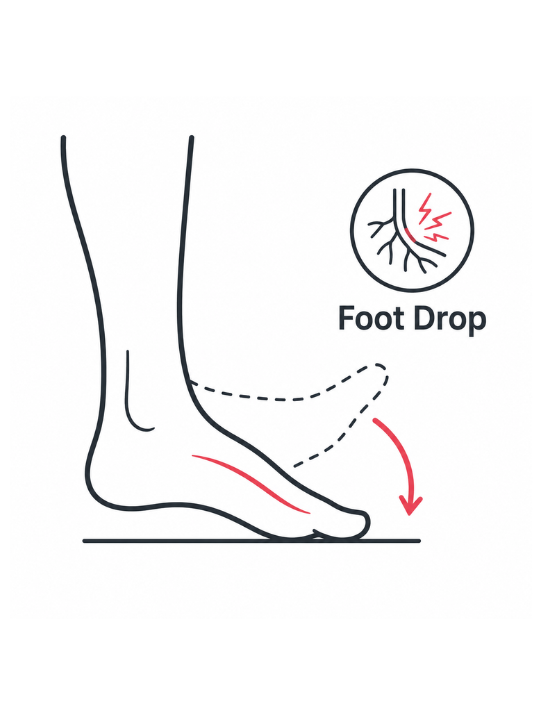
Foot Drop

Balance Problems
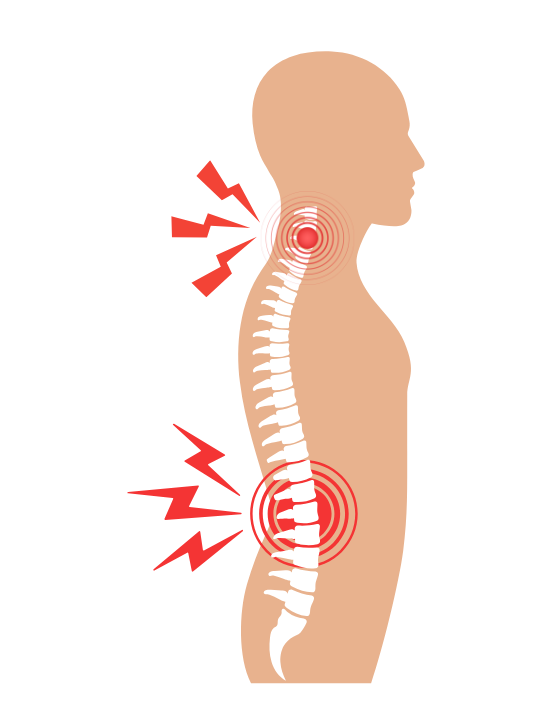
Persistent Neck or Back Pain with Nerve Symptoms
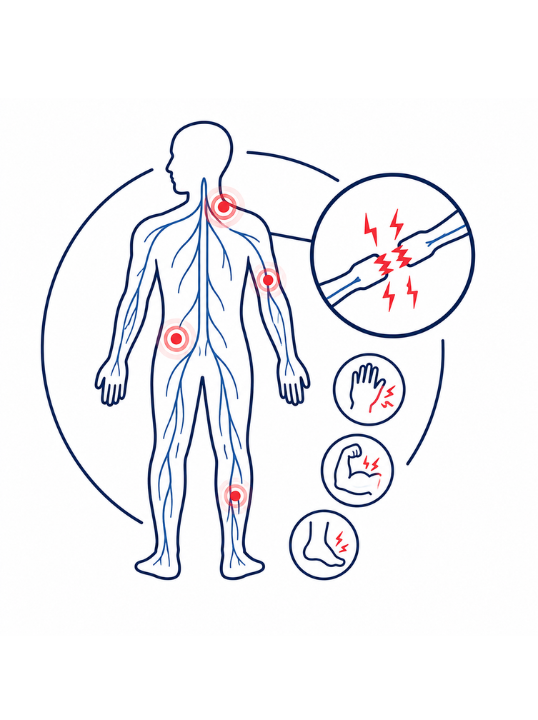
Suspected Nerve Injuries
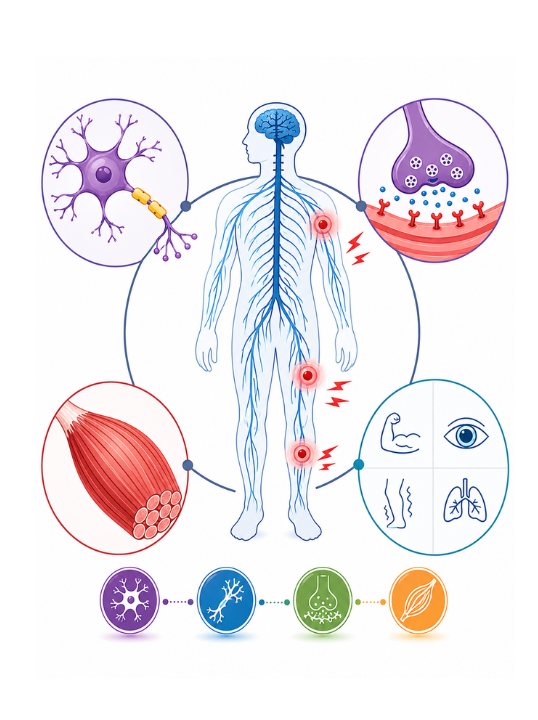
Neuromuscular Disorders
How Does the Test Work?
Every evaluation begins with a detailed clinical assessment by our specialists.
A typical Nerve Conduction Study includes:
Step 1 – Clinical Evaluation
Our specialist reviews your symptoms, medical history, neurological examination, and reason for the investigation.
Step 2 – Electrode Placement
Small recording and stimulating electrodes are placed on the skin over specific nerves and muscles.
Step 3 – Nerve Stimulation
Gentle electrical impulses are delivered to the nerve while the equipment records the speed and strength of the nerve signals.
Step 4 – Data Analysis
The recorded responses are analysed to identify any slowing, blockage, or abnormalities in nerve conduction.
Step 5 – Clinical Interpretation
The results are interpreted by our specialists and integrated with your clinical findings to guide diagnosis and treatment planning.
Conditions Commonly Evaluated
Our specialists commonly perform Nerve Conduction Studies for: