
Parallel Bars Therapy
Building Balance. Improving Mobility. Restoring Independence.
Walking independently is one of the most important goals during rehabilitation. After a neurological injury, surgery, or prolonged illness, patients often need structured support to regain balance, coordination, and confidence before progressing to independent walking.
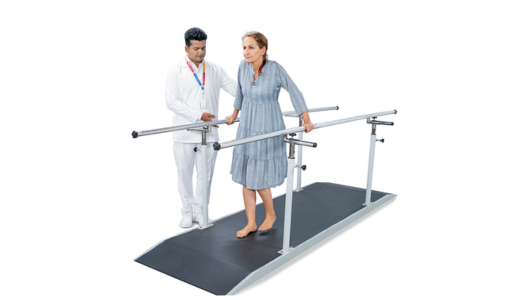
At MIOT Rehab Centre Mauritius, our Parallel Bars Therapy provides a safe and controlled environment where patients can practise standing, balance, weight transfer, and walking under the close supervision of experienced rehabilitation professionals.
Our multidisciplinary rehabilitation team designs personalised therapy programmes to help every patient regain strength, confidence, and independence.
What is Parallel Bars Therapy?
Parallel Bars Therapy is a fundamental rehabilitation technique that uses two sturdy parallel handrails to provide support while patients practise standing, balance exercises, weight shifting, and gait training.
The bars offer stability and confidence during rehabilitation, allowing patients to safely relearn walking patterns while reducing the risk of falls. As patients improve, therapists gradually reduce the level of support and introduce more advanced mobility exercises.
Parallel Bars Therapy is widely used in neurological, orthopaedic, and geriatric rehabilitation to help patients transition from assisted mobility to independent walking.
Why is Gait Training Important During Rehabilitation?
Loss of mobility can significantly affect independence and quality of life. Without appropriate rehabilitation, patients may experience:
Early gait training helps restore normal movement patterns while improving confidence and functional recovery.
Benefits of Parallel Bars Therapy
Improves Walking Ability
Helps patients relearn natural walking patterns through guided and repetitive gait training.
Enhances Balance and Stability
Improves postural control and balance, reducing the risk of falls during everyday activities.
Strengthens Lower Limb Muscles
Activates and strengthens the muscles of the hips, knees, ankles, and core required for standing and walking.
Encourages Proper Weight Transfer
Improves the ability to shift body weight evenly between both legs, promoting better walking mechanics.
Builds Confidence
Provides a secure environment that helps patients overcome the fear of standing and walking.
Improves Coordination
Enhances coordination between the upper and lower limbs while improving movement efficiency.
Increases Endurance
Gradually improves walking distance, stamina, and cardiovascular fitness.
Supports Functional Independence
Prepares patients for walking with assistive devices and eventually independent mobility.
Who Can Benefit from Parallel Bars Therapy?
Parallel Bars Therapy may benefit individuals recovering from:
Stroke
Spinal Cord Injury
Traumatic Brain Injury
Parkinson's Disease
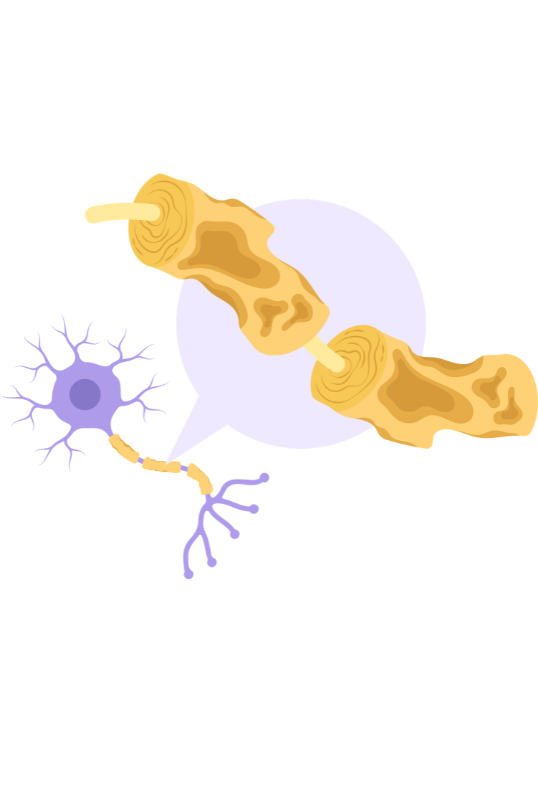
Multiple Sclerosis
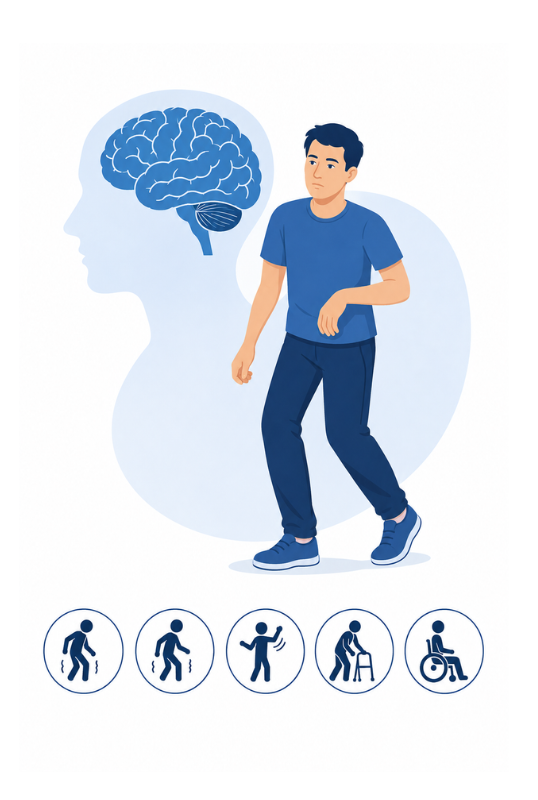
Cerebral Palsy
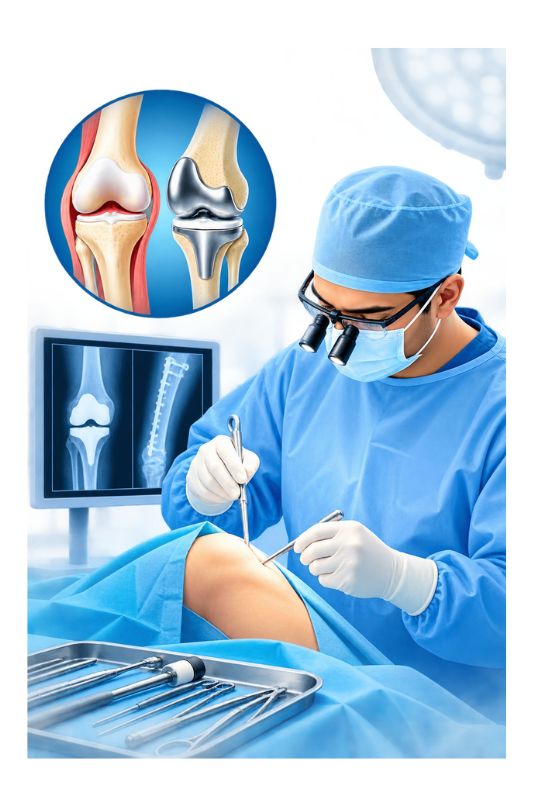
Orthopaedic Surgery
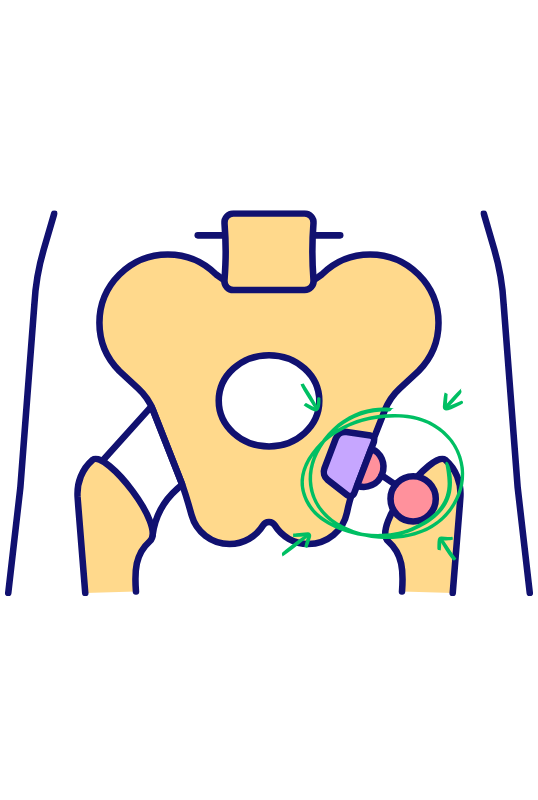
Hip Replacement
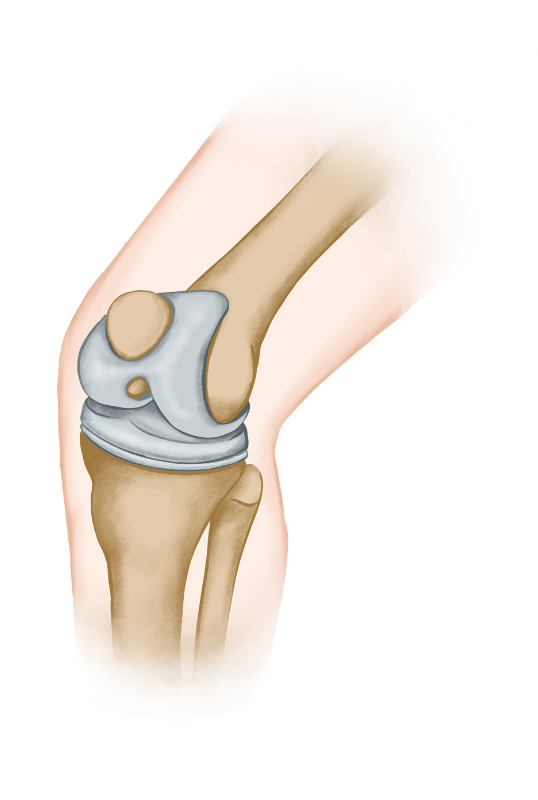
Knee Replacement
Fractures

Balance Disorders
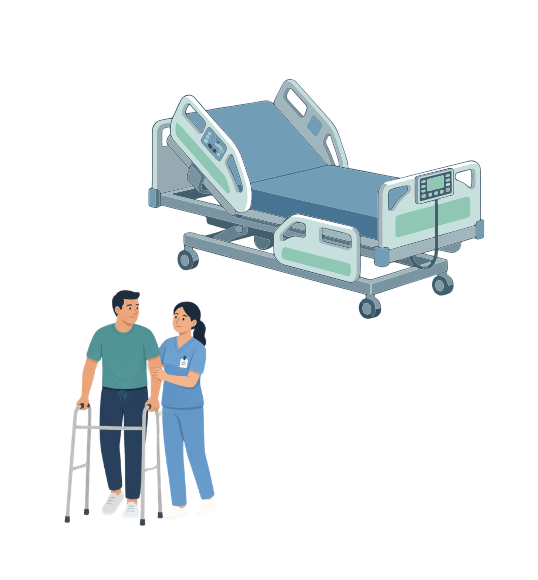
Post-ICU Recovery
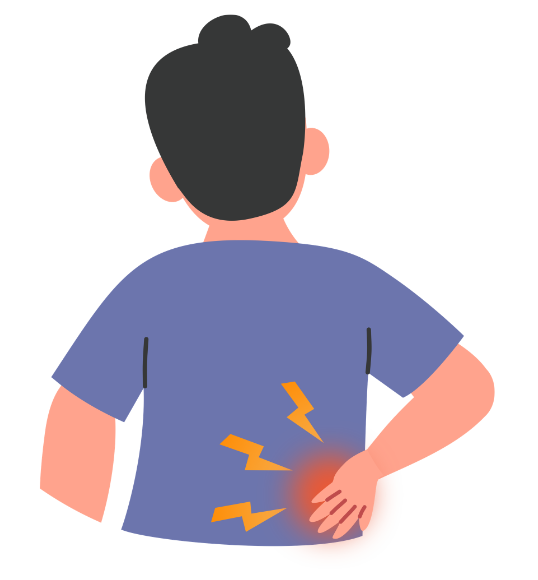
Muscle Weakness
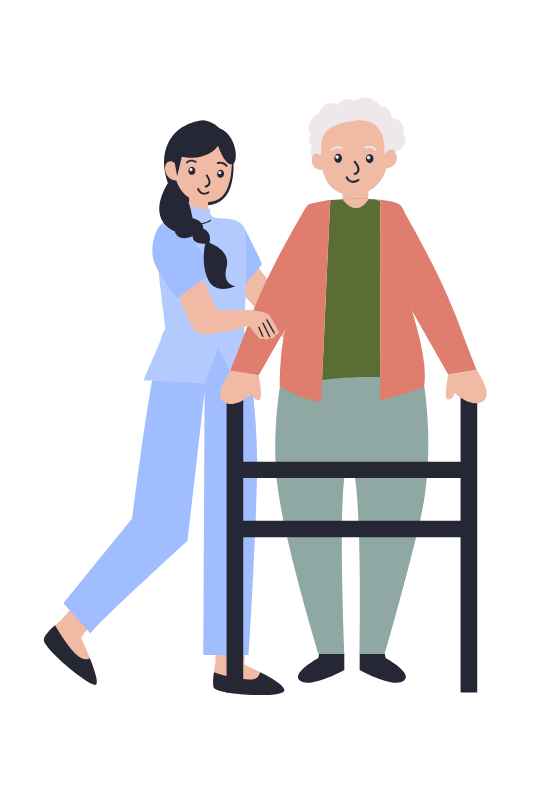
Geriatric Rehabilitation
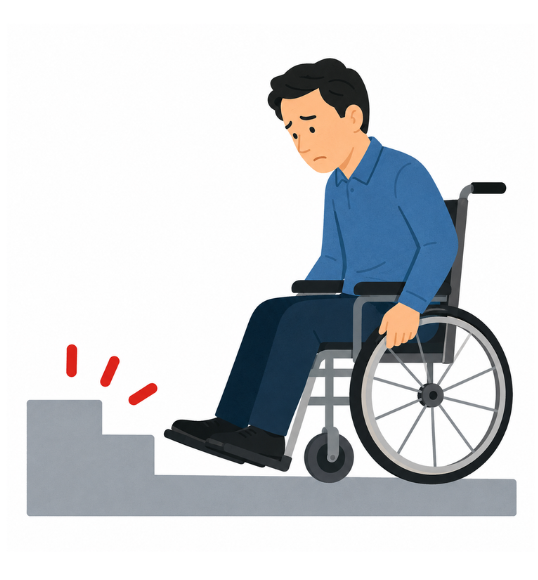
Mobility Limitations
How Does the Therapy Work?
Every rehabilitation programme begins with a comprehensive assessment by our rehabilitation specialists.
A typical Parallel Bars Therapy session includes:
Step 1 – Patient Assessment
Evaluation of muscle strength, balance, posture, coordination, walking ability, and rehabilitation goals.
Step 2 – Safe Positioning
The patient is positioned securely between the parallel bars while therapists ensure proper posture and body alignment.
Step 3 – Balance and Weight-Bearing Training
Patients begin with standing balance, posture correction, and controlled weight-shifting exercises to prepare for walking.
Step 4 – Assisted Gait Training
Patients practise walking between the bars while therapists provide guidance to improve step length, coordination, posture, and gait pattern.
Step 5 – Functional Mobility Progression
As strength and confidence improve, support is gradually reduced while introducing walking aids, obstacle negotiation, stair training, and independent mobility exercises.
Conditions Commonly Treated
Our rehabilitation specialists commonly incorporate Parallel Bars Therapy into treatment programmes for: