
Robot-assisted Gait Trainer
Walk Towards Recovery. Step by Step. Powered by Advanced Robotics.
Walking again after a neurological injury, spinal cord injury, or prolonged illness can be one of the biggest challenges during rehabilitation.
At MIOT Rehab Centre Mauritius, our Robot-assisted Gait Trainer combines advanced robotic technology with expert rehabilitation to help patients relearn natural walking patterns in a safe, controlled, and highly effective environment. This innovative system provides repetitive, precise, and supported gait training that stimulates the brain and muscles, promotes neuroplasticity, and accelerates functional recovery.
Our multidisciplinary rehabilitation team develops personalised treatment programmes tailored to each patient's condition, helping them regain mobility, confidence, and independence.
What is Robot-assisted Gait Training?
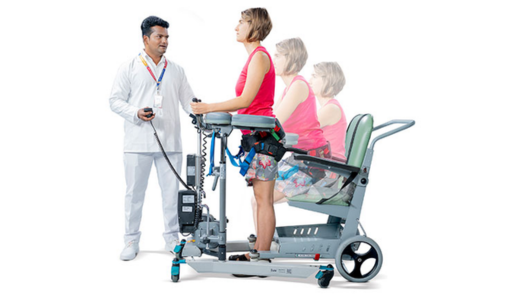
Robot-assisted Gait Training is an advanced rehabilitation therapy that uses a robotic walking system to assist patients who have difficulty standing or walking independently due to neurological or musculoskeletal conditions.
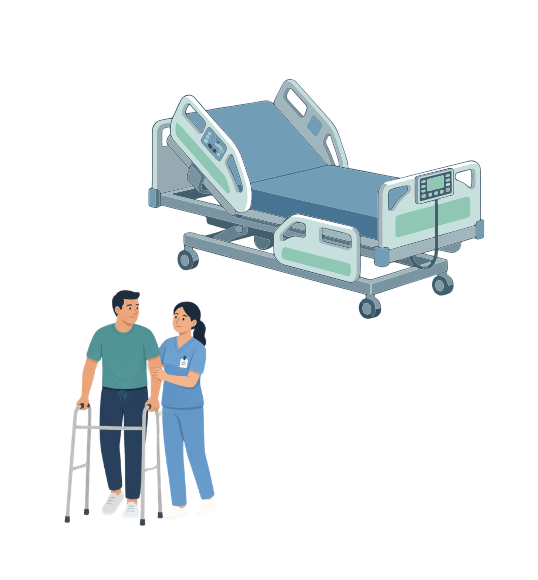
The patient is securely supported using a body-weight support harness while robotic leg guidance helps produce a natural walking pattern on a treadmill or robotic gait system. The amount of assistance is adjusted according to the patient's abilities, allowing gradual progression as strength and coordination improve.
This repetitive, task-specific movement helps retrain the nervous system, improve muscle activation, and restore functional walking skills.
Why is Early Gait Training Important During Rehabilitation?
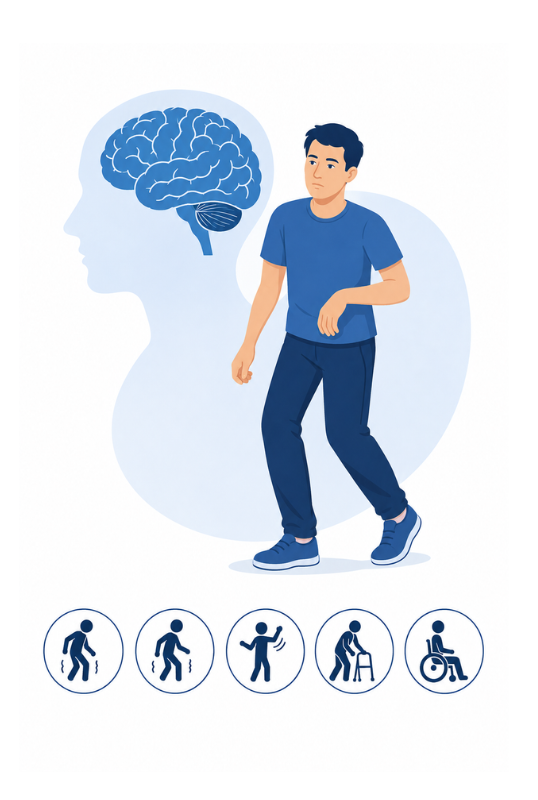
Difficulty walking affects independence, confidence, and overall quality of life. Delayed mobility may lead to several complications including:


Early robotic gait training helps restore mobility while improving overall functional recovery.
Benefits of Robot-assisted Gait Training
Restores Natural Walking Pattern
The robotic system guides the legs through a normal walking cycle, helping retrain proper gait mechanics.
Promotes Neuroplasticity
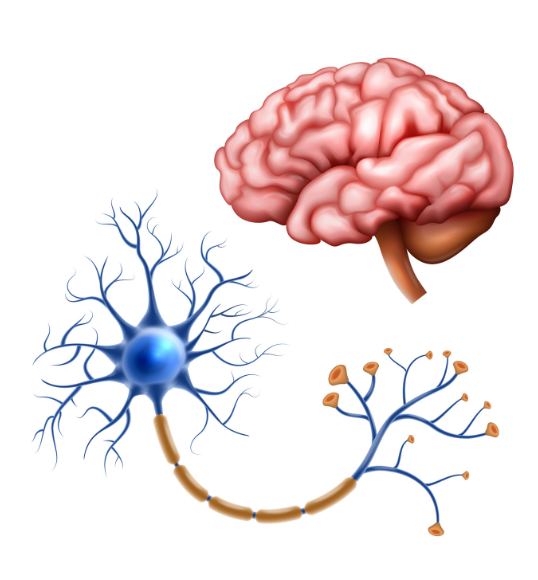
Repetitive walking movements stimulate the brain and spinal cord to form new neural connections, supporting neurological recovery.
Improves Muscle Strength
Activates muscles in the hips, knees, ankles, and core while promoting coordinated movement.
Enhances Balance and Coordination
Improves postural control, weight shifting, and overall walking stability.
Increases Walking Endurance
Gradually improves stamina and cardiovascular fitness through repetitive walking practice.
Safe Body Weight Support
Reduces the fear of falling while allowing patients to begin walking earlier during rehabilitation.
Improves Functional Independence
Supports progression from assisted walking to independent mobility in daily life.
Boosts Patient Motivation
Interactive robotic technology provides real-time feedback, encouraging active participation and measurable progress.
Who Can Benefit from Robot-assisted Gait Training?
Robot-assisted Gait Training may benefit individuals recovering from:
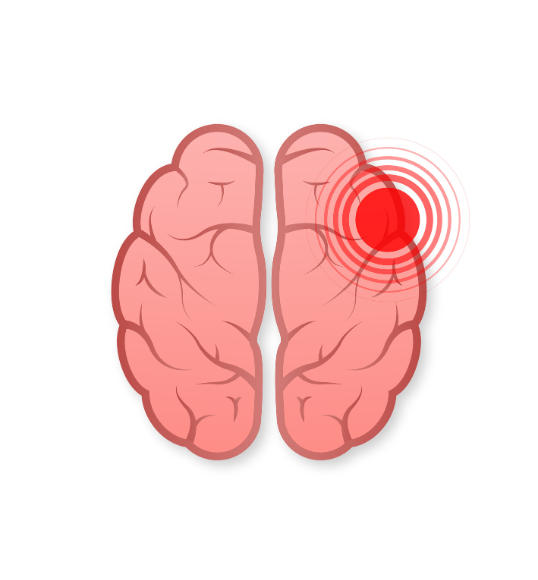
Stroke
Spinal Cord Injury
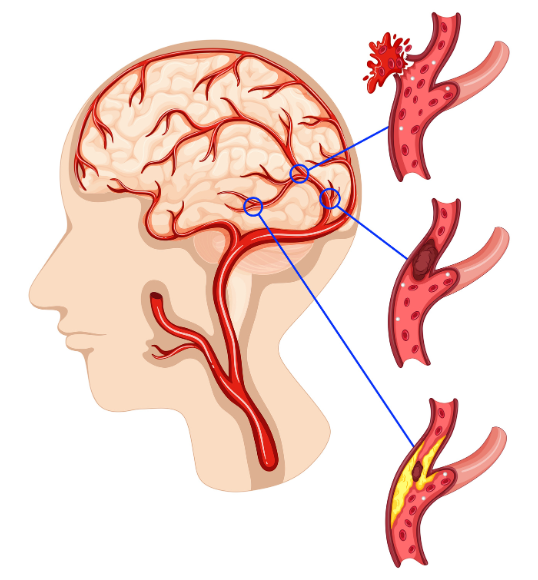
Traumatic Brain Injury
Parkinson's Disease
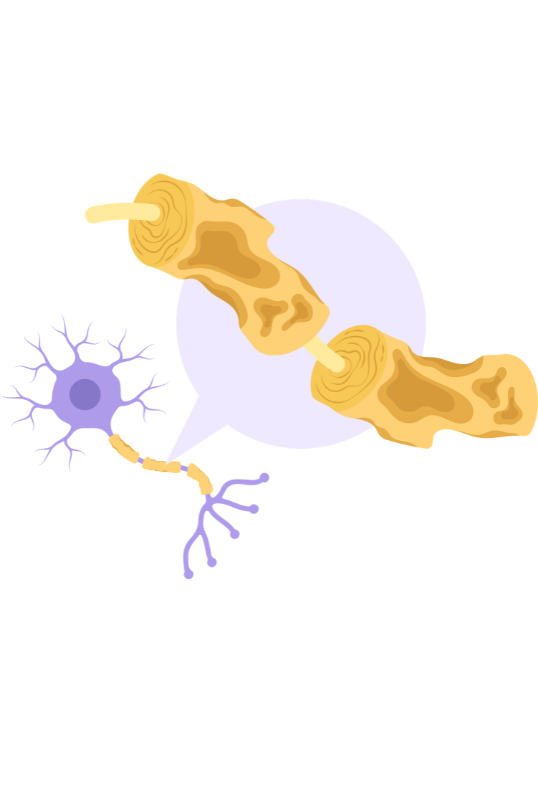
Multiple Sclerosis
Cerebral Palsy
Neurological Disorders
Post-ICU Recovery
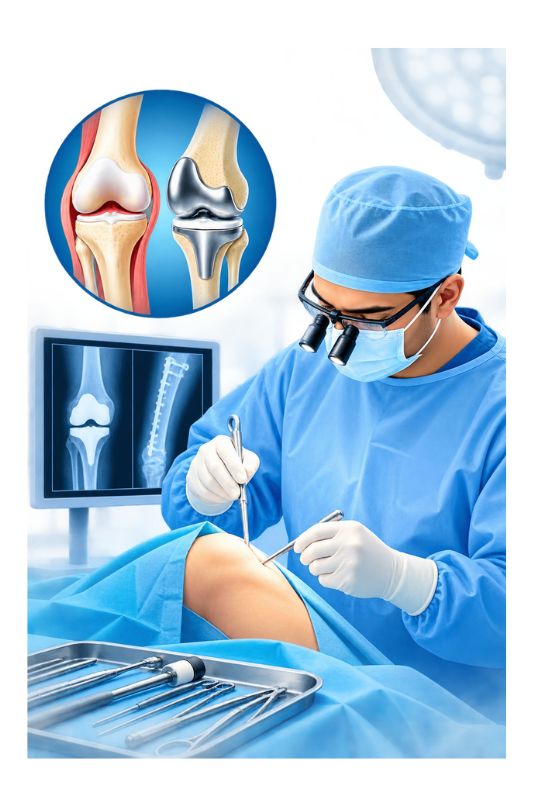
Orthopaedic Surgery
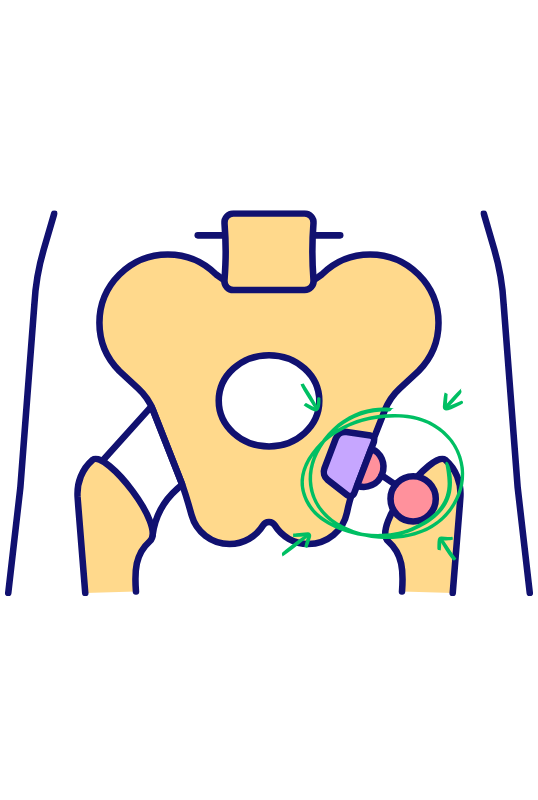
Hip Replacement
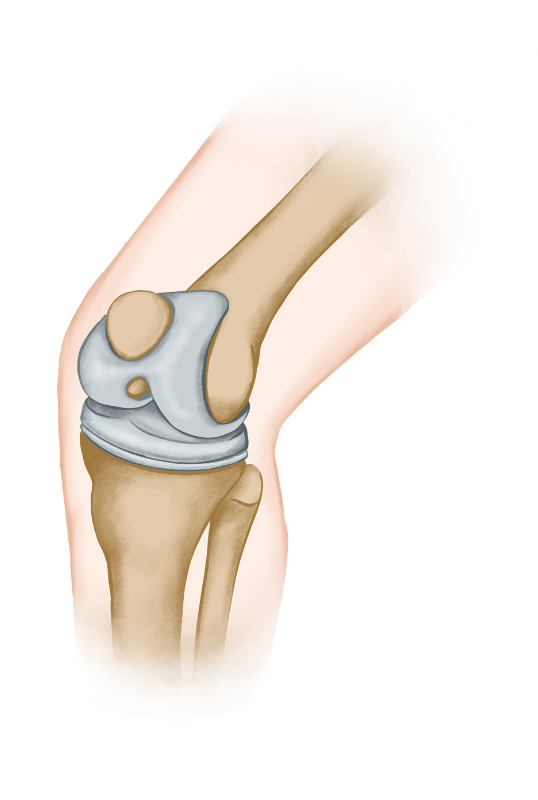
Knee Replacement
Severe Muscle Weakness

Balance Disorders
Mobility Limitations
How Does the Therapy Work?
Every rehabilitation programme begins with a detailed assessment by our rehabilitation specialists.
A typical Robot-assisted Gait Training session includes:
Step 1 – Comprehensive Assessment
Evaluation of walking ability, muscle strength, balance, joint mobility, neurological function, and rehabilitation goals.
Step 2 – Safe Body Weight Support
The patient is comfortably fitted into a secure harness that provides appropriate body weight support throughout the session.
Step 3 – Robotic Walking Training
The robotic gait system guides the patient's legs through natural walking movements while therapists adjust speed, support, and assistance according to progress.
Step 4 – Continuous Monitoring
Our rehabilitation team closely monitors posture, gait quality, endurance, vital signs, and patient comfort throughout the therapy session.
Step 5 – Functional Walking Progression
As recovery improves, body weight support and robotic assistance are gradually reduced while introducing overground walking, balance exercises, and functional mobility training.
Conditions Commonly Treated
Our rehabilitation specialists commonly incorporate Robot-assisted Gait Training into treatment programmes for: